
LIFE, SORTED
YOU DON'T HAVE TO DO THIS ALONE
Every week, we explore real homes, real life, and organizing systems that actually work. Follow along to discover small, practical shifts that make everyday spaces easier to live in.
An over-the-door shoe organizer is the best small-item storage in your house
One of the products our Sorters reach for most is also one of the simplest: a plastic over-the-door shoe organizer.
Yes, you can put shoes in it. As professional home organizers, we rarely stop there.
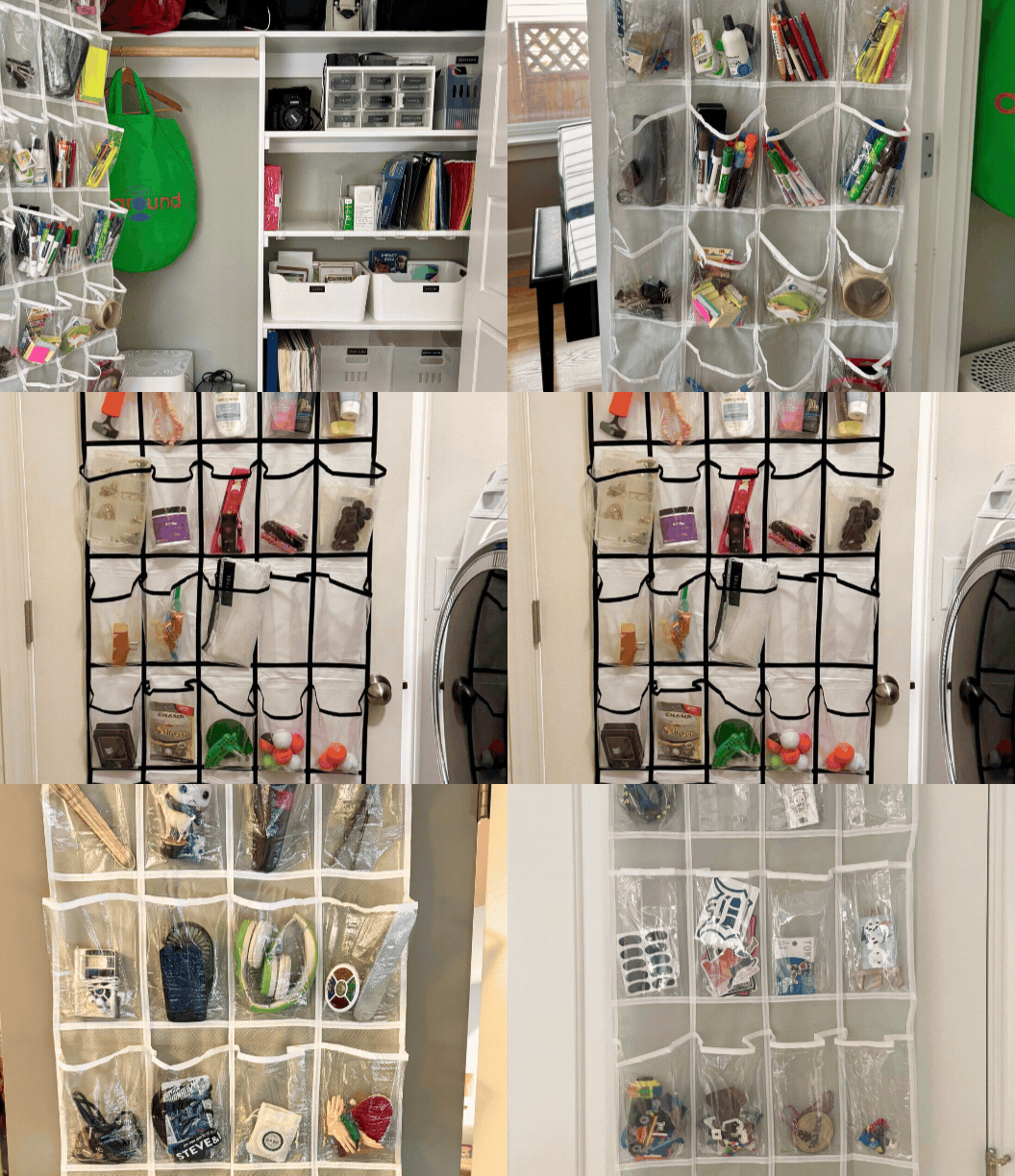
Those little pockets are ready-made homes for the things that get lost, buried in drawers, or dumped together into one oversized bin. And they turn the back of a door, a space you probably were not using anyway, into real storage.
Small things contained. Easy to see. Easy to grab. Not a single shelf given up.
6 ways Sorters use an over-the-door organizer
Part of the job is seeing storage where you might not see it, and finding simple products that solve very specific problems.
Our Sorters use these all over the house for categories that are small, plentiful, and otherwise a pain to keep contained.
1. Art and craft supplies
Markers, crayons, glue sticks, scissors, paintbrushes, tape, stickers, pom-poms. Instead of digging through one giant craft bin, everything is visible and separated by category. Kids can put it back too.
2. Medicine and first aid
Bandages, thermometers, ointments, cold medicine, allergy supplies. Hang it inside a secure closet door, safely out of reach of young children, and the small boxes and bottles stop disappearing into the back of a cabinet.
3. Kid trinkets and collections
Friendship bracelets. Trading cards. Tiny figurines. Fidgets. Sunglasses. Hair accessories. The treasures they cannot part with that somehow end up covering every surface. Little stuff needs little homes.
4. Cleaning supplies
Microfiber cloths, sponges, brushes, gloves, duster attachments. Pocket-sized categories, every one. This works especially well in laundry rooms and utility closets where shelf space is already tight.
5. Winter and outdoor gear
Sunglasses, hand warmers, gloves, goggles, sunscreen, bug spray. Give each category a pocket, or give each family member their own section, and getting out the door gets easier.
6. Shoes
Sometimes the product really is right for the thing written on the package.
TIPAssign pockets by category, not by item. One pocket for "tape and adhesives" holds up better than separate pockets for washi, masking, and Scotch. Broad categories are easier for everyone else in the house to maintain.
Why over-the-door storage works for small items
Small items are some of the hardest things to organize.
Put them in a big bin and they disappear. Put them in a drawer and they migrate into one pile. Give every tiny category its own container and you have just bought a dozen little bins with nowhere to put them.
An over-the-door organizer solves all three problems at once. You get visibility, boundaries, and easy access without giving up a shelf or a drawer.
TIPStart at eye level. Put the categories you reach for daily in the middle rows, and save the top and bottom pockets for backstock and seasonal items.
The best organizing solutions tend to show up when you stop asking what a product was made for and start asking what problem it could solve.
Pick one category and start there
You do not need to redo a room to feel the difference. One door, one organizer, and the category that has been bugging you the longest.
Ready to Get Sorted?
Stop spending weekends fighting clutter. Our professional organizers handle the heavy lifting so you can enjoy your space.
Fully refundable • No commitment • Book as needed
Already a customer or already booked a consult? Text us at (213) 523-7678
Frequently Asked Questions
Can you really use a shoe organizer for things other than shoes?
Yes, and our Sorters do it constantly. The pockets are sized for small items, which makes them useful for any category that is small, plentiful, and hard to contain: craft supplies, first aid, cleaning tools, kid trinkets, outdoor gear. The name on the package describes one use, not the limit.
What kind of over-the-door shoe organizer works best?
A clear or mesh plastic style with individual pockets. Clear pockets matter more than people expect, because visibility is most of why the system holds. Look for one that hangs on hooks over a standard door rather than one that needs mounting, so you can move it if the category changes.
How do you decide what goes in each pocket?
Group by category, not by individual item. One pocket for tape and adhesives works better than three pockets split by tape type. Broad categories are easier for everyone else in the house to put back correctly, which is what keeps the system working after the first week.
Which doors work best for an over-the-door organizer?
Closet doors, pantry doors, laundry room doors, and utility closet doors. Anywhere shelf space is already tight and the back of the door is sitting empty. For medicine and first aid, choose a door that closes securely and hang it out of reach of young children.
How much does it cost to hire a professional organizer for a closet?
The cost depends on the organizer's hourly rate and the size of the project. All of the organizers on Sorted (we call them Sorters) set their own pricing. After browsing available Sorters and selecting one, the first step is a short video consultation where your Sorter will assess your space and recommend a plan. Most closet projects are completed in a single session.
.svg)
