
LIFE, SORTED
YOU DON'T HAVE TO DO THIS ALONE
Every week, we explore real homes, real life, and organizing systems that actually work. Follow along to discover small, practical shifts that make everyday spaces easier to live in.
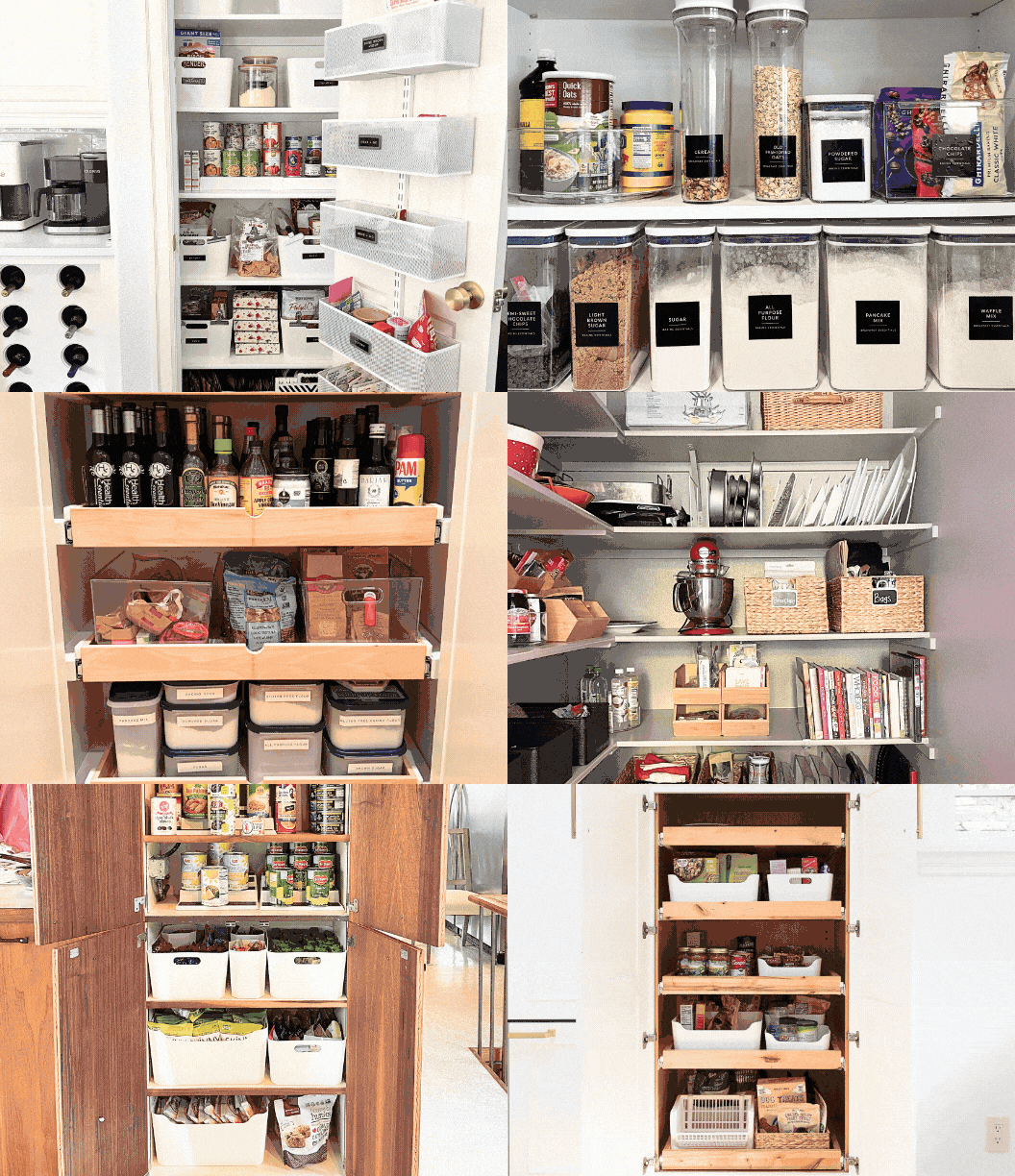
How to organize a pantry that actually works for your family
The pantry is a moving target. Food comes in, gets shoved aside, opens halfway, expires, gets bought again at Costco, and quietly piles up in the back corner. Add in kids grabbing snacks, busy schedules, and the occasional bulk run, and the pantry stops being a system and starts being a holding zone.
If you've been chasing the “perfect pantry,” it's worth redefining what that actually means.
A perfect pantry is not the goal. A functional one is.
A pantry that works is not Pinterest-styled or perfectly decanted. It's a pantry that supports how your family actually eats, makes it easy to see what you have, and can realistically be maintained over time.
Here's what a functional pantry actually does:
- Makes it easy to see what you have at a glance
- Supports your family's real eating habits, not an idealized version
- Reduces food waste by surfacing what's about to expire
- Makes grocery shopping easier and faster
- Can be maintained without a Sunday reset
Notice what's missing from that list: matching bins, expensive labels, and a styled look. Those can be part of a system, but they're never the system itself.
TIPGroup by category, not by product. A bin labeled “Snacks” is easier to maintain than separate bins for chips, granola bars, and crackers. Broad categories survive normal kitchen weeks better than narrow ones.
How a Sorter approaches a real pantry
Most of our clients are juggling a lot, and the pantry has just stopped working for the way they actually live. Many have tried organizing it a few times, but the systems never quite stick.
This is where our Sorters come in.
A Sorter does far more than make the pantry look nice. They learn your daily routines and habits. They observe how you naturally move in the kitchen. They notice your shopping patterns and the friction spots that keep tripping you up. Then they build a system around your real life, not an ideal one.
Depending on the home, that might look like:
- Better snack zones at kid-height
- Easier breakfast access for school mornings
- Overflow storage relocated so the pantry stays usable
- Duplicates consolidated
- Categories made more visible, not buried
- Boundaries given to items that tend to spread
And yes, sometimes bins are part of the answer. But bins are never the starting point. The system comes first.
TIPMatch the zone to the user. If your kids pack their own lunches, their snacks belong on a shelf they can reach. If you're the one cooking, your most-used staples belong at eye level. The pantry should follow the people using it.
Why a functional pantry pays off every day
When a pantry isn't working, it quietly creates friction all day long.
You buy duplicates because you can't see what's already there. You waste food that gets buried in the back. You shuffle things around trying to make it work. You spend more at the grocery store. And when cooking feels harder than it should, takeout starts winning more nights than you'd like.
A functional pantry reduces decision fatigue. It supports meal planning, makes grocery shopping faster, and makes everyday cooking feel lighter.
The reward isn't a prettier pantry. It's a kitchen that works better for the life you're actually living.
What changed
One of our clients in Seattle had tried the styled-pantry approach more than once. The labels were beautiful, the bins matched, and within a few weeks the system stopped working for her family. When she worked with Sorter Sarah, the focus shifted from how it looked to how it ran. The bins still mattered, but they came after the categories, the zones, and the way her family actually used the space.
Now she can find what she needs, waste less food, and walk into the grocery store knowing exactly what's missing. The pantry isn't perfect. It's just easier to live in.
Ready to Get Sorted?
Stop spending weekends fighting clutter. Our professional organizers handle the heavy lifting so you can enjoy your space.
Fully refundable • No commitment • Book as needed
Already a customer or already booked a consult? Text us at (213) 523-7678
Frequently Asked Questions
Does a perfect pantry actually exist?
A functional pantry exists. A “perfect” one usually does not. The goal isn't a Pinterest-styled pantry that looks beautiful one day and falls apart the next. The goal is a pantry that supports how your family actually eats, makes things easy to find, and can be maintained without a weekly reset.
Do I need to buy bins to organize my pantry?
Not as a starting point. Bins can be helpful once you know how your family uses the space, but they're a finishing layer, not a foundation. The system - what goes where, who reaches for what, how often things get restocked - comes first. Bins reinforce a working system. They can't create one on their own.
How do I organize a pantry so it actually stays organized?
Start with how your family uses the kitchen, not with how the pantry looks. Group by broad category instead of by individual product. Put the items you reach for most at the easiest height. Build in overflow storage so the pantry doesn't have to hold everything. The pantry stays organized when the system reflects real life.
What kinds of pantries does this approach work best for?
It works for any pantry being used by real people in real homes. Walk-in pantries, cabinet pantries, narrow closet pantries, and shared kitchens with kids all benefit from the same principles: visibility, broad categories, kid-accessible zones for snacks, and overflow space for bulk items.
How much does it cost to hire a professional organizer for a pantry?
The cost depends on the organizer's hourly rate and the size of the project. All of the organizers on Sorted (we call them Sorters) set their own pricing. After browsing available Sorters and selecting one, the first step is a short video consultation where your Sorter will assess your space and recommend a plan. Most pantry projects are completed in a single session.
.svg)
