
LIFE, SORTED
YOU DON'T HAVE TO DO THIS ALONE
Every week, we explore real homes, real life, and organizing systems that actually work. Follow along to discover small, practical shifts that make everyday spaces easier to live in.
Why Color Coding a Closet Actually Helps
Most closets are not difficult because of volume. They feel difficult because nothing is easy to see. You flip through hangers, dig through shelves, and still end up reaching for the same few pieces - while continuing to buy more of the same.
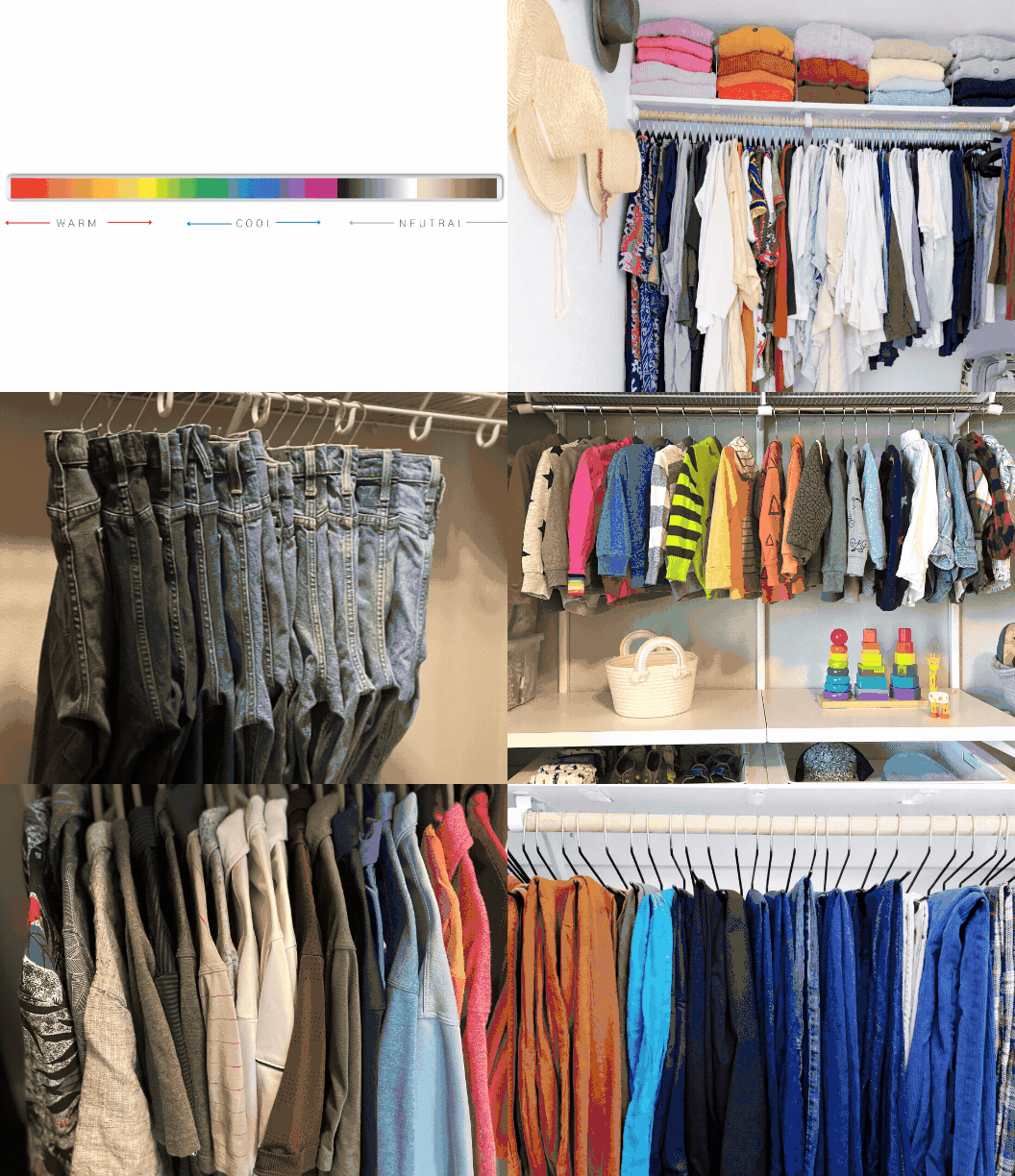
Color coding fixes that. When it is done in the right order, it turns your closet into something you can read at a glance. You can see what you own, spot the gaps, and get dressed without overthinking it.
How Sorted Organizers Approach Color Coding
Sorter Michelle does not start with color. She starts with editing and categories.
Before anything gets arranged by color, the closet gets cleared down to what actually belongs. That means deciding what stays, what goes, and what keeps drifting back in. Less volume is the foundation - a smaller, more intentional wardrobe is easier to color-code and far easier to maintain.
Once the editing is done, like gets grouped with like. Short sleeves with short sleeves. Sweatshirts with sweatshirts. Jackets with jackets. This step matters more than most people realize - it is what turns color coding from decorative to functional.
TIPGroup by category before thinking about color. If short sleeves, long sleeves, and layering pieces are all mixed together, a color gradient will not help you find anything faster. Category first, color second.
Building a Color-Coded Closet System That Sticks
Once categories are set, the color flow is simple: light to dark within each category, neutrals before color. That is it.
The goal is not a perfect rainbow. It is a closet you can scan quickly - so you can see what you have, spot what is missing, and stop buying things you already own in a slightly different version.
One thing Sorted keeps in mind: the system has to work on a busy morning. If it requires too much thought to maintain, it will not hold. Simple enough to stick is the benchmark.
TIPApply the light-to-dark rule within each category, not across your whole closet. White tees with white tees and black tees with black tees is more useful than one long gradient that mixes categories together.
What Changed
When a closet is color coded correctly - category first, then color - you stop spending time digging through hangers and start actually seeing what you own.
You also get a clearer read on your habits. What you reach for. What you skip. Where things pile up. For a lot of people, a well-organized closet is the first time they realize they do not need to keep buying the same thing in a slightly different version.
For more room-by-room systems, take a look at the Complete Home Organization Guide. It covers everything from kitchens to garages using the same approach.
Ready to Get Sorted?
Stop spending weekends fighting clutter. Our professional organizers handle the heavy lifting so you can enjoy your space.
Fully refundable • No commitment • Book as needed
Already a customer or already booked a consult? Text us at (213) 523-7678
Frequently Asked Questions
Does color coding a closet actually help with organization?
Yes - when done in the right order, color coding makes a closet significantly easier to use. It reduces the time spent searching for items, helps you see what you actually own, and makes it easier to put things back in the right place. The key is completing the editing and category-grouping steps first, so the color system has a clean foundation to work from.
What is the best way to color code a closet?
Start with editing down to what you actually wear, then group by category - short sleeves together, sweatshirts together, jackets together. Within each category, arrange items from light to dark, with neutrals before color. Keep it simple: the goal is a closet you can scan quickly, not a perfect rainbow.
How do I keep a color-coded closet organized over time?
The system needs to be simple enough to maintain on a busy morning. Avoid over-complicating it with subcategories or too many zones. When you put something away, it goes back in its category in roughly the right color position. It does not have to be perfect - close enough is what makes it stick.
What types of closets benefit most from color coding?
Color coding works best in everyday-use closets with a mix of clothing types - bedroom closets, reach-ins, and walk-ins where you are choosing outfits regularly. It is especially useful if you find yourself reaching for the same few items while the rest of your wardrobe goes unworn. It is less critical in storage closets or spaces where items are rarely accessed.
How much does it cost to hire a professional organizer for a closet?
The cost depends on the organizer's hourly rate and the size of the project. All of the organizers on Sorted (we call them Sorters) set their own pricing. After browsing available Sorters and selecting one, the first step is a short video consultation where your Sorter will assess your space and recommend a plan. Most closet projects are completed in a single session.
.svg)
