
LIFE, SORTED
YOU DON'T HAVE TO DO THIS ALONE
Every week, we explore real homes, real life, and organizing systems that actually work. Follow along to discover small, practical shifts that make everyday spaces easier to live in.
Why Garage Organization Systems Fall Apart - and What Actually Fixes It
Most garages aren't hard to organize because of the volume of stuff. They're hard because too many decisions were never made.
Every item in a garage exists in one of three states: it has a defined home, it lacks a home but belongs there, or it doesn't actually belong there at all. When the second and third categories grow unchecked, they create what professional organizers call decision debt - a pile of unresolved choices that makes the whole space feel impossible to start.
Effective garage organization starts by resolving those decisions, not by buying more storage. Once the decisions are made, the right system and the right products become obvious. This is the step most guides skip - and why so many garage organizing attempts don't hold.
How to Organize a Garage Step by Step
Start with the catch-all zones, not the full garage. The hardest part of organizing a garage is the feeling that you have to deal with everything at once. You don't. Start by identifying the catch-all zones - the wall, corner, or surface where things land when they have no other home. Pull those areas apart first. This reveals the underlying categories and gives you real momentum without committing to a full overhaul in one session.
Sort by how often you actually use things. Garage organization fails when everyday items end up behind seasonal ones. Before building any system, sort your items into three groups: everyday or weekly access (tools, cleaning supplies, sports gear in regular rotation), seasonal (holiday decor, camping gear, winter equipment), and backstock (bulk purchases, extra supplies). The group you use most often needs to live closest to the entry point.
TIPSort into zones before sorting into categories. Deciding where things live spatially is faster than sorting every item individually. Once the zones are placed, the categories sort themselves.
Map zones before buying anything. This is the step most people skip - and it's why so many garage storage purchases end up not working. Map out where each category lives based on your actual usage patterns. Where do you enter the garage? What do you reach for first on a weekend morning? What gets used once a year and can live at the back? Once the zones are mapped, the right storage size and style become obvious. Without this step, you're guessing.
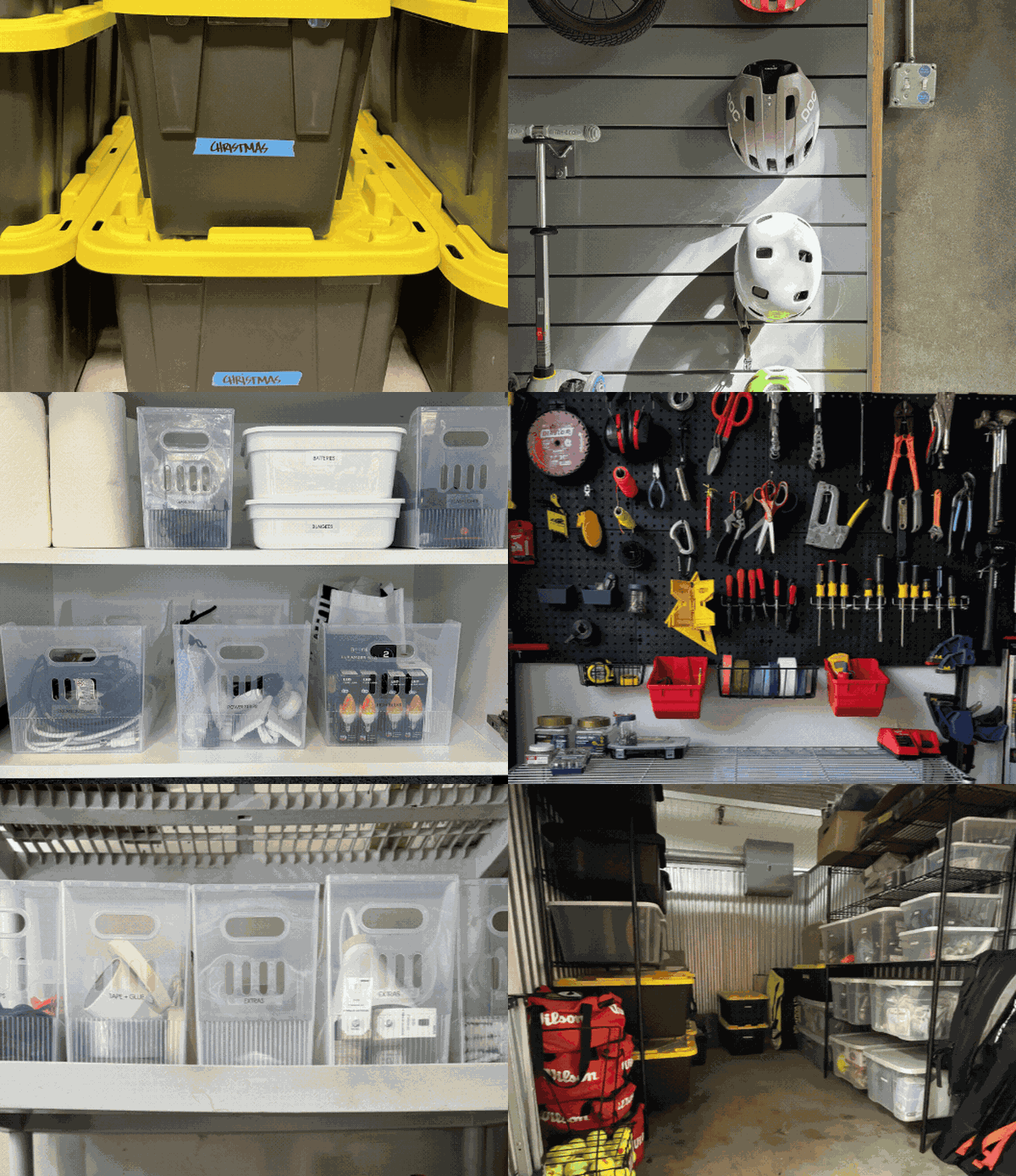
Layer in products once the zones are clear. For grab-and-go everyday categories like household utilities and cleaning supplies, open-top bins work better than lidded ones - you can see what's inside without lifting anything. For heavier seasonal and holiday items, durability matters more than quick access. Stackable totes that hold their shape under weight are worth the investment.
For smaller everyday categories, the Multi-Purpose Bins from The Container Store are a consistent recommendation from Sorted organizers - open-top, visible, and sized to work across most shelving systems. For heavier seasonal storage, the HDX 40-Gallon Storage Totes from Home Depot stack cleanly and hold their shape in ways that cheaper alternatives often don't.
TIPTest the system before committing to it. Live with the rough layout for a week before buying additional storage. What felt right on paper often needs adjusting once the space is actually in use.
The Garage Storage Products Professional Organizers Actually Reach For
The products that hold up in garage environments long-term share a few things in common: they match the use case, they're durable enough to handle the conditions, and they don't require you to remember where things go.
Open-top bins are better than lidded ones for anything you access regularly. The lid creates one more step - and one more reason things end up not going back where they belong. Reserve lids for seasonal items you're not touching for months at a time.
For seasonal and heavier items, container quality matters more than price. Bins that warp, crack, or collapse under stacked weight create problems over time - especially in garages where temperature shifts are common. The HDX totes are a frequent Sorted recommendation precisely because they hold their shape through heavy use and seasonal changes.
How to Keep Garage Organization Working Long-Term
A well-organized garage stays organized for one reason: every item has a defined home. When something doesn't have a home, it will land wherever there's space. Over time, that space becomes a catch-all zone again.
The maintenance habit that makes the biggest difference is the seasonal reset, not a weekly clean-up. When spring arrives, spend 30 minutes assessing what's coming in, what's going out, and whether the zones still match how the household is using the space. Households change - gear, hobbies, and home project supplies shift from year to year. Garage systems that get a seasonal update hold up far better than ones built once and never revisited.
TIPKeep a small bin near the garage entry for items that need to leave - things headed to another room, to donation, or to the trash. This prevents the reverse accumulation problem, where stuff from inside the house slowly migrates into the garage with nowhere specific to land.
When to Work With a Professional Organizer for Your Garage
The most common sign that a garage needs professional help isn't that it's a disaster. It's that you've tried to organize it before and the system keeps collapsing.
A professional organizer brings one thing that's hard to replicate on your own: the ability to move through organizing decisions quickly and without the weight of ownership. When you're sorting your own garage, every item carries a question. A Sorted Sorter moves through those decisions in a fraction of the time - and builds the system around how you actually use the space, not how you think you should.
Most garage projects are completed in a single session. The first step is a short $25 video consultation, where your Sorter will assess the space and recommend a plan. That consult cost comes off your total if you book a session, and it's fully refundable if you don't move forward.
Ready to Get Sorted?
Stop spending weekends fighting clutter. Our professional organizers handle the heavy lifting so you can enjoy your space.
Fully refundable • No commitment • Book as needed
Already a customer or already booked a consult? Text us at (213) 523-7678
Frequently Asked Questions
Why do garage organization systems always seem to fall apart?
The most common reason is what professional organizers call decision debt: every item in a garage that doesn't have a clear, specific home forces a small decision every time it's touched. Those micro-decisions accumulate until the whole system collapses. The fix isn't more bins or better labels. It's deciding where every category lives before you put a single thing away, and keeping zones narrow enough that there's no ambiguity.
What garage storage products do professional organizers actually recommend?
The products that hold up long-term are wall-mounted systems with adjustable tracks (such as Gladiator or Rubbermaid FastTrack), overhead ceiling platforms for seasonal and rarely used items, heavy-duty clear bins with lids (so contents are visible and protected from dust and moisture), and a dedicated pegboard or slat wall section for hand tools. The goal is vertical storage that keeps the floor clear, because floor clutter is what makes garages feel unmanageable fastest.
How do I start organizing a garage that feels completely overwhelming?
Start with a full purge before touching any storage product. Pull everything out, group like items together on the driveway, and make a keep-donate-trash decision for each category. Once you can see what you're actually working with, map the zones based on frequency of use: daily-use items near the door, seasonal items on upper shelves or ceiling platforms, and hobby or project gear in its own dedicated zone. Don't buy anything until the purge is done and you know exactly what you need to store.
How long does it take to organize a garage?
A typical two-car garage takes most households a full weekend when done properly. Day one is the purge, sort, and zone-mapping phase. Day two is installation and final placement. Rushing the process is the primary reason systems don't hold. Garages that are organized in a single afternoon almost always revert within a few months because the decision-making step gets skipped.
How much does it cost to hire a professional organizer for a garage?
The cost depends on the organizer's hourly rate and the size of the project. All of the organizers on Sorted (we call them Sorters) set their own pricing. After browsing available Sorters and selecting one, the first step is a short video consultation where your Sorter will assess your space and recommend a plan.
.svg)
