
LIFE, SORTED
YOU DON'T HAVE TO DO THIS ALONE
Every week, we explore real homes, real life, and organizing systems that actually work. Follow along to discover small, practical shifts that make everyday spaces easier to live in.
How Paper Piles Take Over a Home
How many paper piles are sitting on your counters right now?
They build fast. It usually starts with good intentions. You set something down so you can deal with it later. Then, day by day, it grows:
- things you want to read
- bills to pay
- things to file
- reminders you don't want to forget
Intentions run high. The pile just sits there, getting bigger, taking up more space than it should.
How Sorted Helped
Our Portland Sorter, Michelle, worked with a client who had paper piles in multiple spots - the kitchen counter, the desk, and the corner of the dining table.
The biggest shift was starting with clarity.
Michelle began by looking at what was actually coming into the home - daily, weekly, and monthly. Once you know that, it becomes much easier to build a system that can handle it.
Paper systems are not one-size-fits-all. What works for one person won't work for another, and that's where most systems fall apart.
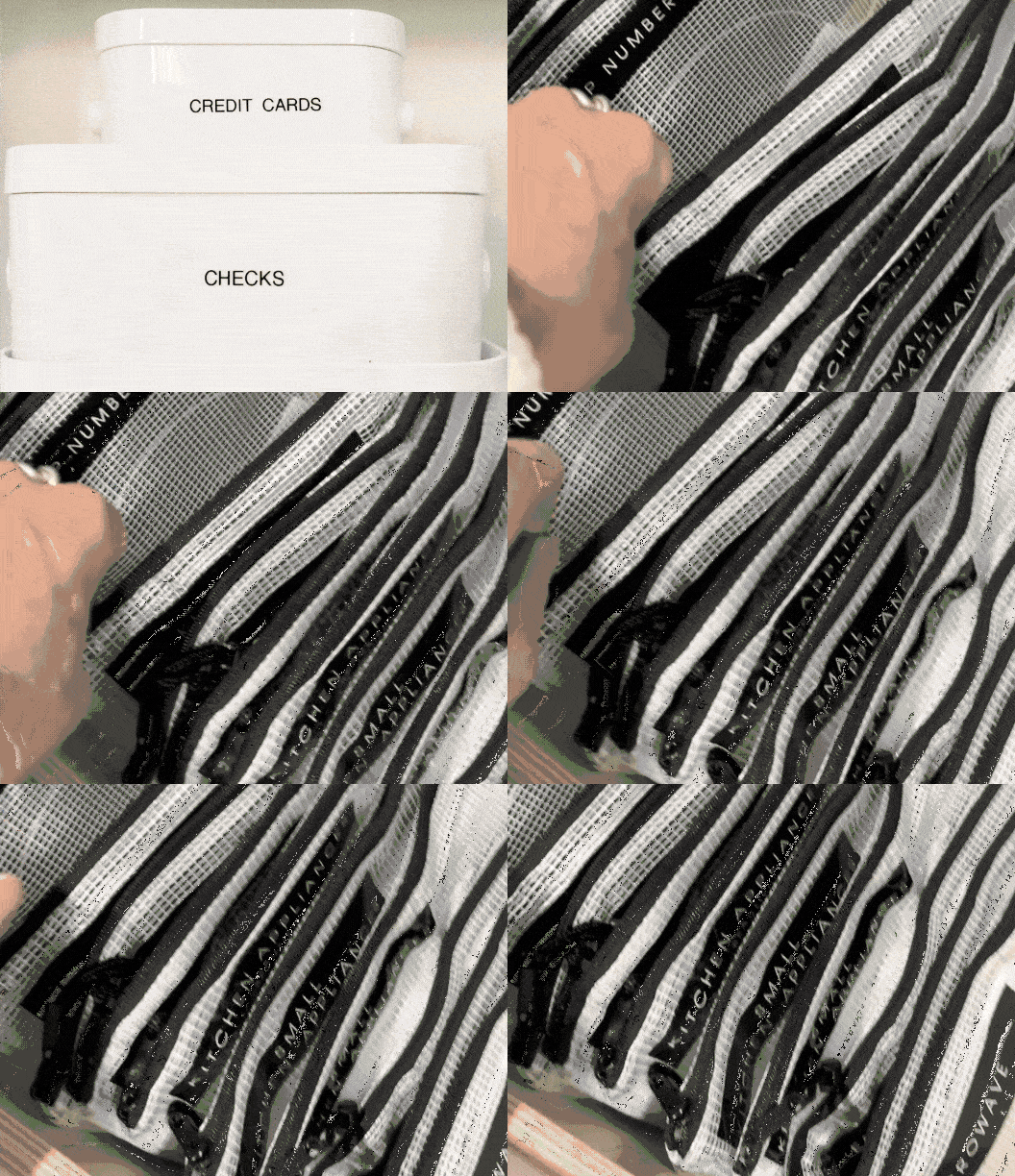
Here is the system Michelle used to build a paper setup that's easy to maintain:
- Sort everything into clear categories
- Break those into micro-categories, which is where things click
- Organize by date where it matters
- Shred or recycle anything no longer needed, including old bills and receipts available online
- Identify what can go paperless
- Sign up for electronic statements
- Take photos of reminders and store them in a "Reminders" album on your phone
TIPDon't let junk mail or recyclables hit the counter. Sort the moment it comes in, then recycle or shred on the spot. The pile only grows when paper is allowed to land.
Why a Paper Organization System Works
It is easy to take a stack of papers and shove them into a file folder just to get them out of sight. That doesn't solve the problem. It only hides it.
Without clarity, papers don't have a true home or a clear purpose. You end up re-handling the same documents, digging through folders, and second-guessing where things went.
When you understand what's coming into your home and why you're keeping it, you can build categories that make sense. From there, every paper has a place and a next step.
You are not just filing things away. You are making decisions once and being done with them.
TIPMicro-categories are the secret. "Bills" is a fine category, but "Bills to Pay" and "Bills Paid, Keep for Reference" tells you what to do, not just what it is.
What Changed
The client no longer re-handles the same stack three times a week. The dining room corner is clear. The kitchen counter is clear. When something new comes in, she knows exactly where it goes and what to do next.
The paper isn't gone. The indecision is.
Ready to Get Sorted?
Stop spending weekends fighting clutter. Our professional organizers handle the heavy lifting so you can enjoy your space.
Fully refundable • No commitment • Book as needed
Already a customer or already booked a consult? Text us at (213) 523-7678
Frequently Asked Questions
Do paper organization systems actually work long-term?
Yes, when they are built around how paper actually enters your home. Most systems fail because they are designed for storage, not daily decisions. A system that sorts incoming paper into clear categories, breaks those into micro-categories, and gives every document a next step is one you can actually maintain.
What is the best way to start organizing paper at home?
Start with clarity, not containers. Look at what is actually coming into your home each day, week, and month. Sort existing piles into broad categories first, then break those into micro-categories based on what each paper requires of you. Only then decide what storage tools you need.
How do I decide what paperwork to keep and what to shred?
Shred or recycle anything you can access online, including old utility bills, receipts, and statements available through electronic accounts. Keep tax documents for seven years, major purchase receipts for the warranty period, and legal documents like birth certificates and deeds indefinitely. If you are unsure, scan it and toss the original.
Where should I keep my paper filing system in my home?
The best spot is wherever paper first lands. For most households that is near the kitchen or entryway, since mail and school papers come in that way. A wall-mounted sorter, a drawer, or a small cabinet in that zone works better than a dedicated office filing cabinet you rarely visit.
How much does it cost to hire a professional organizer for a home office?
The cost depends on the organizer's hourly rate and the size of the project. All of the organizers on Sorted (we call them Sorters) set their own pricing. After browsing available Sorters and selecting one, the first step is a short video consultation where your Sorter will assess your space and recommend a plan. Most home office projects are completed in a single session.
.svg)
