
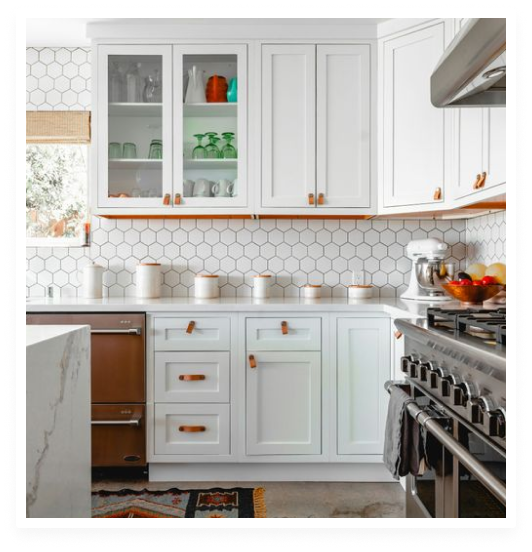
The kitchen is the epicenter of every home. It's where meals happen, homework happens, conversations happen, and — if we're being honest — where clutter tends to accumulate fastest. Mail stacks up on the counter. The junk drawer expands. The Tupperware cabinet becomes a physics experiment every time you open it.
The frustrating part? You use your kitchen every single day, which means you feel the friction of a disorganized kitchen every single day. A cluttered bedroom annoys you at bedtime. A cluttered kitchen annoys you at every meal.
At Sorted, kitchen projects are among the most requested — and the most transformative. When our Sorters finish a kitchen session, clients consistently say the same thing: "I didn't realize how much mental energy this was costing me." This guide gives you the same system our professionals use.

Start With a $25 Consult — Get a Custom Kitchen Plan
Every kitchen is different. Cabinet depths, drawer counts, family size, and cooking habits all influence the right organizational approach. A Sorted organizer will assess your kitchen on a 25-minute Zoom video call, recommend specific solutions, and create a plan designed for how your family actually uses the space.
Fully refundable if you cancel before or within 24 hours after.
The Kitchen Organization Framework: Zone by Zone
Zone 1: Countertops — The Daily Reset Surface
Kitchen counters are the number one battleground in most homes. The rule is simple: if you don't use it daily, it doesn't live on the counter. That means the stand mixer you use twice a month goes in a cabinet. The toaster you use every morning stays.
Aim to keep at least 70% of your counter space clear at all times. This isn't about minimalism for its own sake — it's about creating usable workspace for cooking and creating a visual calm that reduces the "kitchen overwhelm" feeling.
Counter-worthy items: coffee maker, toaster, knife block, fruit bowl, soap dispenser. Everything else should have a home inside a cabinet or on a shelf.
Zone 2: Upper Cabinets — Everyday Essentials at Eye Level
The golden rule of upper cabinets: the items you use most should be on the lowest, most accessible shelves. Everyday dishes, glasses, mugs, and cooking spices belong at eye and reach level.
- Lowest shelf: Daily dishes, glasses, mugs
- Middle shelf: Cooking essentials — oils, spices, frequently used dry goods
- Top shelf: Rarely used items — serving platters, specialty cookware, holiday dishes
Use shelf risers to double your vertical storage in cabinets with tall spaces between shelves. A $12 shelf riser can transform a cabinet that holds 8 plates into one that holds 16.
Zone 3: Lower Cabinets — Pots, Pans, and Heavy Items
Lower cabinets should store heavier items you don't want to lift above your head: pots, pans, baking sheets, and small appliances. The key tool here is a pull-out organizer or stackable pan rack.
- Use a pan rack or file organizer to store baking sheets, cutting boards, and lids vertically
- Stack pots by size with a protective liner between them
- Store lids in a lid organizer or on the inside of the cabinet door
Zone 4: Drawers — Function Over Stuffing
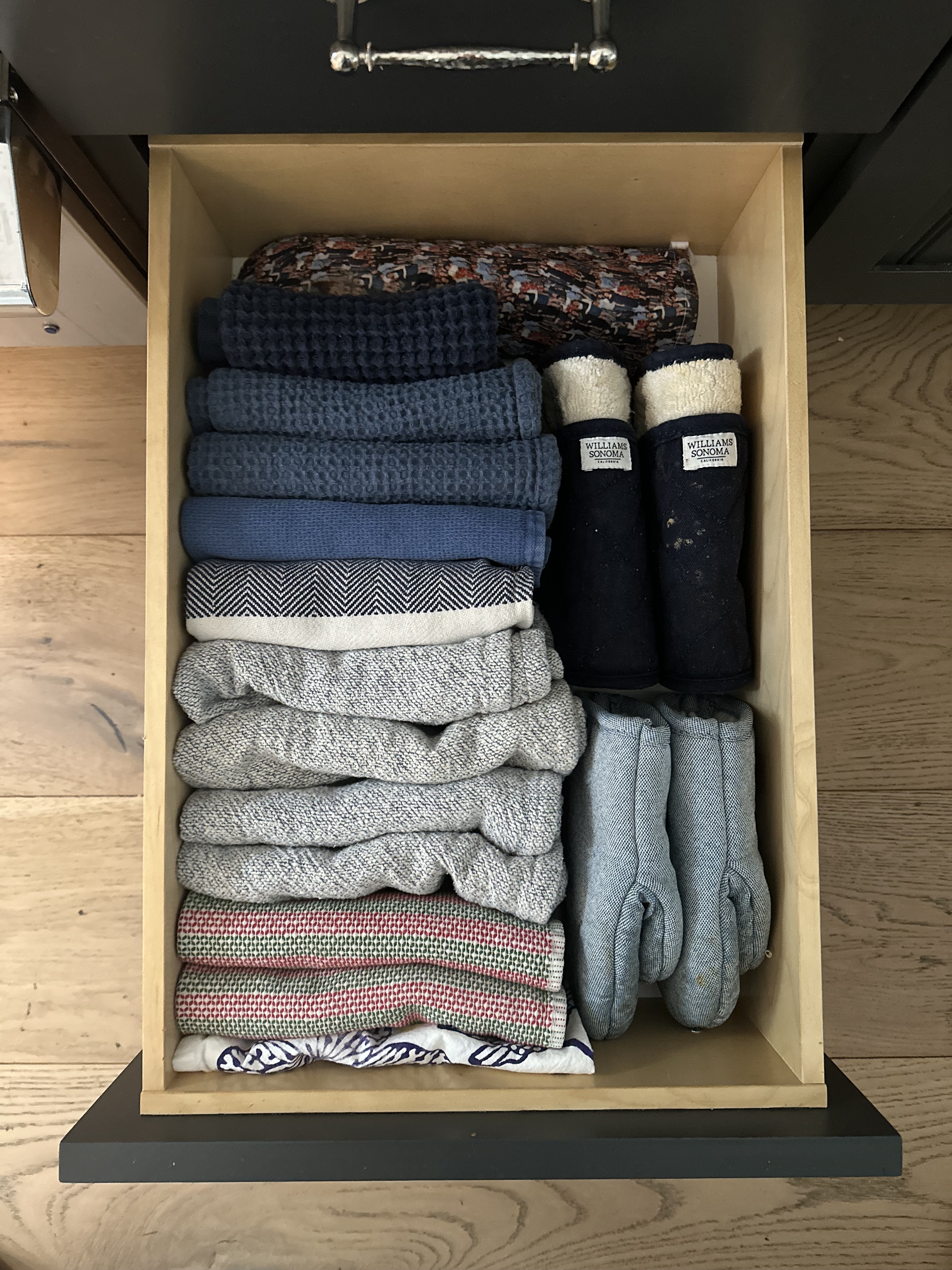
Most kitchen drawers are overstuffed with utensils, gadgets, and tools that haven't been used in years. The edit principle applies here too: if you have three can openers, you only need one. If you have twelve wooden spoons, you might need four.
Use drawer dividers or expandable organizers to create defined sections. The goal is that every item in the drawer has a specific slot — not just a general area.
Zone 5: Under the Sink — The Hidden Chaos Zone
Under the sink is where organization goes to die in most kitchens. Cleaning products, sponges, trash bags, and mystery bottles pile up around the pipes with no system at all.
- Tension rod for spray bottles (hangs them, frees floor space)
- Clear pull-out caddy for daily-use cleaning products
- Labeled bin for backstock (extra sponges, refills, trash bags)
- Command hooks on the cabinet door for dish towels or gloves
Pro Organizer Note: Measure around your pipes first — the irregular space makes standard organizers tricky. Five minutes with a tape measure prevents costly return trips.
The 5-Minute Kitchen Reset
A kitchen that stays organized doesn't require heroic effort. It requires a 5-minute daily reset. Right after dinner (or before bed), do this:
- Clear all counters — put everything back where it belongs
- Wipe down counters and stovetop
- Put any stray items back in their zones
- Load or unload the dishwasher
Five minutes. That's all it takes to wake up to a kitchen that feels calm instead of chaotic. This single habit protects the entire system.
Ready for a Professional Kitchen Organization?
A Sorted kitchen session typically runs 4-8 hours depending on the kitchen's size and how many zones need attention. Your Sorter handles the full edit, reorganization, and product recommendations.
- Book a $25 virtual consult — walk through your kitchen on Zoom, discuss priorities, get a custom plan
- Receive your personalized plan — zones, products, timeline, and cost breakdown
- Schedule your kitchen session — in-home, on your timeline
Browse Sorters and Get Started
This post is part of our complete home organization guide.
Ready to Get Sorted?
Stop spending weekends fighting clutter. Our professional organizers handle the heavy lifting so you can enjoy your space.
Fully refundable • No commitment • Book as needed
Already a customer or already booked a consult? Text us at (213) 523-7678
How long does a kitchen organization project take?
A full kitchen organization typically takes 4–8 hours with a Sorter. Smaller kitchens or single-zone projects can be done in 3–4 hours.
What’s the best way to organize kitchen cabinets?
Store daily items at eye level, use shelf risers to maximize vertical space, and group items by category. Everything should be visible and reachable without moving other items.
How do I organize under the kitchen sink?
Use a tension rod for spray bottles, a pull-out caddy for daily cleaning products, and labeled bins for backstock. Measure around pipes before buying organizers.
How does Sorted work?
Start with a 25-minute Zoom consultation with the Sorter of your choosing. They’ll assess your space, create a custom plan, and give you a transparent cost estimate. Every Sorter sets their own hourly rate with a 3-hour minimum, and you can browse profiles to find the right fit for your budget.
.svg)
