
Every week, we explore real homes, real life, and organizing systems that actually work. Follow along to discover small, practical shifts that make everyday spaces easier to live in.
Decanting your spices, baking ingredients, and pantry staples is one of those organizing topics that gets a lot of attention — and a lot of confusion. Clear containers look nice, yes, but the real question isn't "Does it look good?" It's "Does it make daily life easier?"
Our client's pantry was fully stocked but constantly frustrating. Half-used bags, boxes pushed behind each other, and items getting forgotten until they expired. She wasn't looking for a picture-perfect pantry. She just wanted to open the door and quickly see what she had. That's when Sorter Emily introduced selective decanting. Not everything, not excessively — just the categories that were causing the most friction day to day.
How Sorted helps:
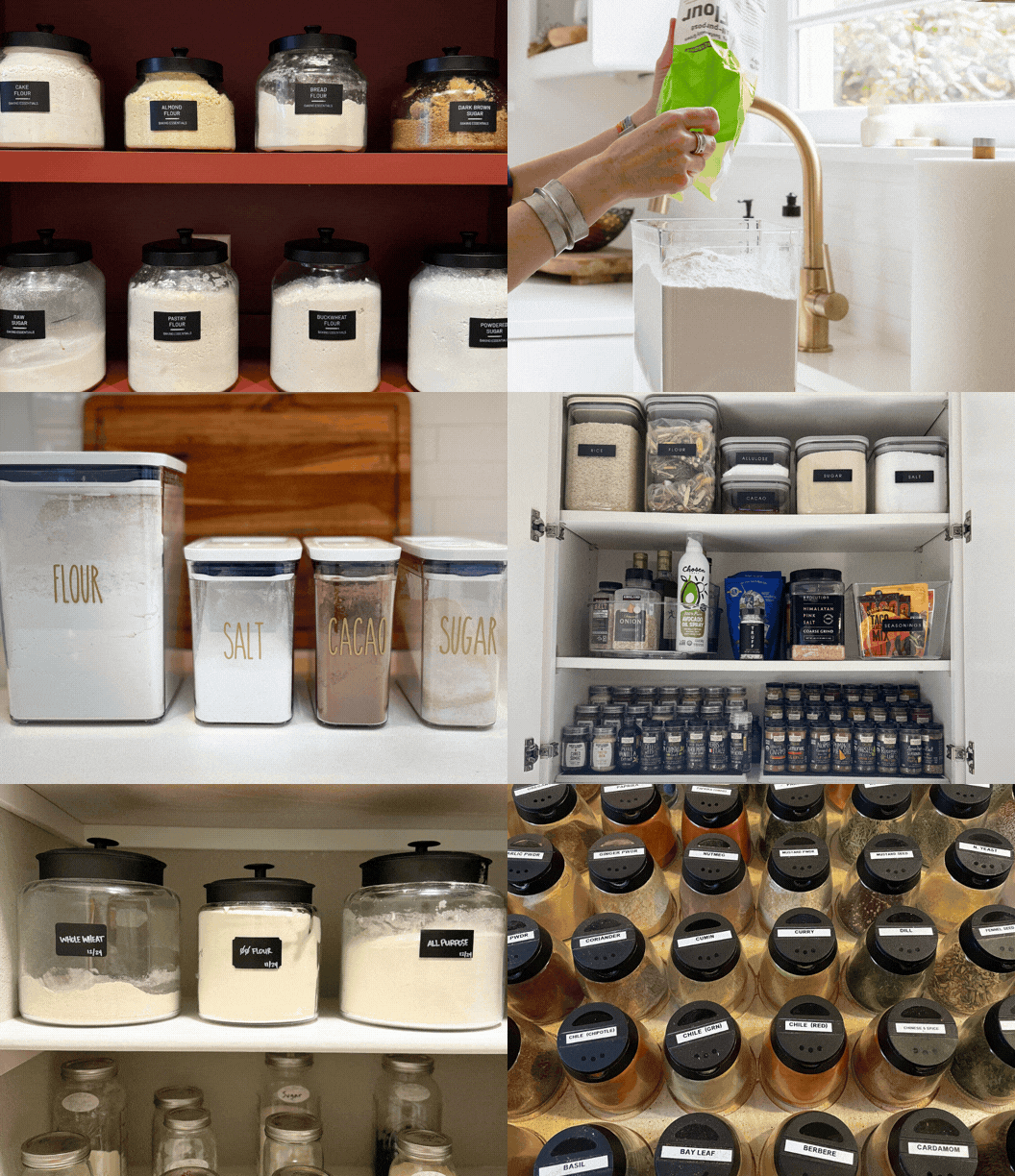
Emily started by editing the pantry and grouping items by category so the client could clearly see what she actually used most. From there, they chose a few high-impact items to decant. For this client, it was frequently used dry goods: flour, sugar, brown sugar, cocoa powder, salt, snacks, and everyday spices.
Decanting works best for items that come in crinkly packaging, get used often, or tend to create visual clutter on the shelf. Clear, airtight containers create consistency in size and shape, which makes shelves easier to maintain and much simpler to restock. It also helps prevent overbuying because you can quickly see inventory at a glance.
But here's the key — we don't decant everything. Canned goods, specialty ingredients, and anything used infrequently or already in functional packaging (like boxes of pasta) usually stay in their original containers. The goal is function, not extra steps.
Why this matters:
Organizing isn't about transferring everything into matching containers just because it looks nice. It's about reducing visual noise and decision fatigue. When you can instantly see what you have, cooking, grocery planning, and clean-up all become easier and faster.
Decanting, when done thoughtfully, removes daily friction. When done excessively, it creates more maintenance. The difference is being selective and realistic about how the household actually lives.
Ready to get your pantry sorted? Book a $25 consult and let a Sorted organizer create a custom plan for your kitchen.
Already a customer or booked a consult? Text us at 213-523-7678
This post is part of our pantry organization system.
Ready to Get Sorted?
Stop spending weekends fighting clutter. Our professional organizers handle the heavy lifting so you can enjoy your space.
Fully refundable • No commitment • Book as needed
Already a customer or already booked a consult? Text us at (213) 523-7678
Frequently Asked Questions
What does it mean to decant pantry items?
Decanting means transferring dry goods like flour, sugar, rice, and snacks from their original packaging into clear, airtight containers. This improves visibility, keeps items fresh, and creates a more uniform, space-efficient pantry.
Should I decant everything in my pantry?
No. Professional organizers recommend selective decanting — only items you use frequently that come in bulky or hard-to-store packaging. Canned goods, boxed pasta, and specialty ingredients usually stay in their original containers.
What containers are best for decanting?
Clear, airtight containers in stackable shapes work best. Look for containers that fit your specific shelf dimensions — always measure before buying.
Does decanting really save space?
Yes, when done selectively. Transferring bulky bags and irregularly shaped packages into uniform containers creates consistent shapes that stack and line up efficiently, freeing shelf space.
How does Sorted work?
Start with a 25-minute Zoom consultation with the Sorter of your choosing. They’ll assess your space, create a custom plan, and give you a transparent cost estimate. Every Sorter sets their own hourly rate with a 3-hour minimum. Book your consultation to get started.
.svg)
